Introduction
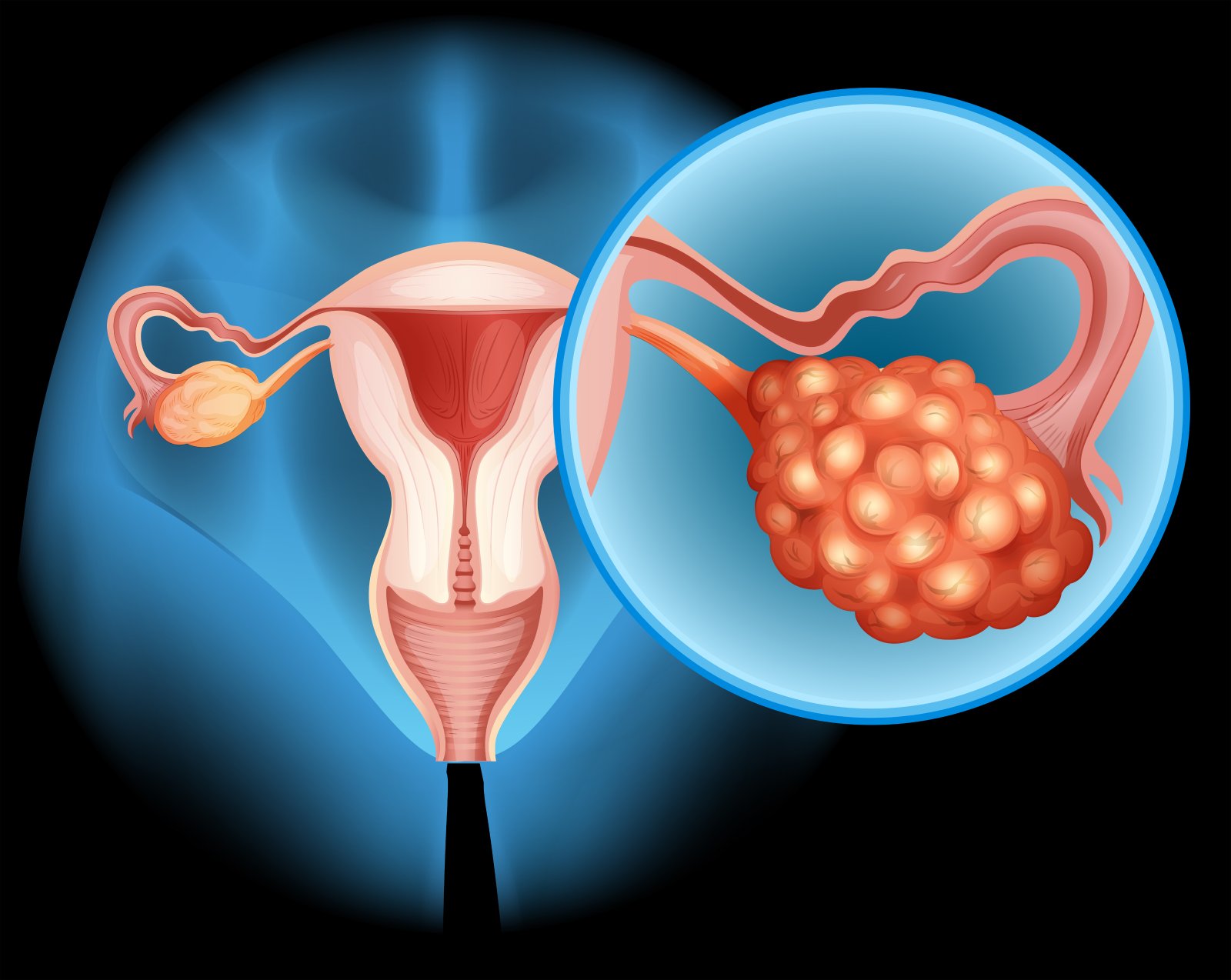
Polycystic Ovarian Syndrome (PMOS) is a common health issue for women. It affects hormone balance and can cause many symptoms. Ayurveda for PMOS offers natural ways to manage this condition. Ayurveda is an ancient Indian system of medicine. It uses herbs, diet, and lifestyle changes to support health. Many people now look for Ayurvedic remedies for PMOS because they want gentle and holistic care. In this blog, you will learn about symptoms, causes, diagnosis, and natural treatment for PMOS using Ayurveda.
Symptoms of PMOS
PMOS can show up in different ways. Some women may have only a few symptoms, while others may notice many. Early detection helps in better management. Common symptoms include:
If you notice these signs, it is important to seek advice. Early care can help prevent further problems.
Causes of PMOS from an Ayurvedic Perspective
According to Ayurveda, PMOS happens due to an imbalance in the body’s natural energies, called doshas. These are Vata, Pitta, and Kapha. When Kapha and Vata increase, they can block channels in the body. As a result, hormones become unbalanced. This leads to PMOS symptoms. Poor diet, stress, and lack of exercise can also worsen the problem. Ayurveda believes that correcting these imbalances can help manage PMOS naturally.
Ayurvedic Diagnosis Methods for PMOS
Ayurvedic doctors use several methods to diagnose PMOS. First, they ask about your symptoms and health history. Next, they check your pulse, tongue, and eyes. They may also look at your skin and hair. These checks help find which doshas are out of balance. Sometimes, doctors may suggest lab tests to confirm the diagnosis. However, Ayurveda focuses on the whole person, not just the disease.
Ayurvedic Treatments and Herbal Remedies for PMOS
Ayurveda offers many natural treatments for PMOS. These aim to balance hormones and improve overall health. Some common Ayurvedic remedies for PMOS include:
In addition, Ayurvedic doctors may suggest detox therapies like Panchakarma. These help remove toxins and restore balance. Always use herbs under the guidance of a qualified practitioner. Some herbs may not suit everyone.
Lifestyle and Dietary Guidance Based on Ayurveda
Ayurvedic lifestyle tips for PMOS focus on daily habits. These changes can support natural treatment for PMOS. Here are some helpful tips:
These habits can help keep your hormones steady. Over time, they may reduce PMOS symptoms.
Prevention Tips Using Ayurvedic Principles
Preventing PMOS is possible with simple Ayurvedic steps. For example, you can:
These steps can help keep your body in balance. As a result, you may lower your risk of developing PMOS.
Conclusion
Ayurveda for PMOS offers gentle, natural ways to manage this condition. With the right herbs, diet, and lifestyle, you can support your health. However, every person is unique. Consult Dr Arun, a qualified Ayurvedic practitioner for personalized advice.