
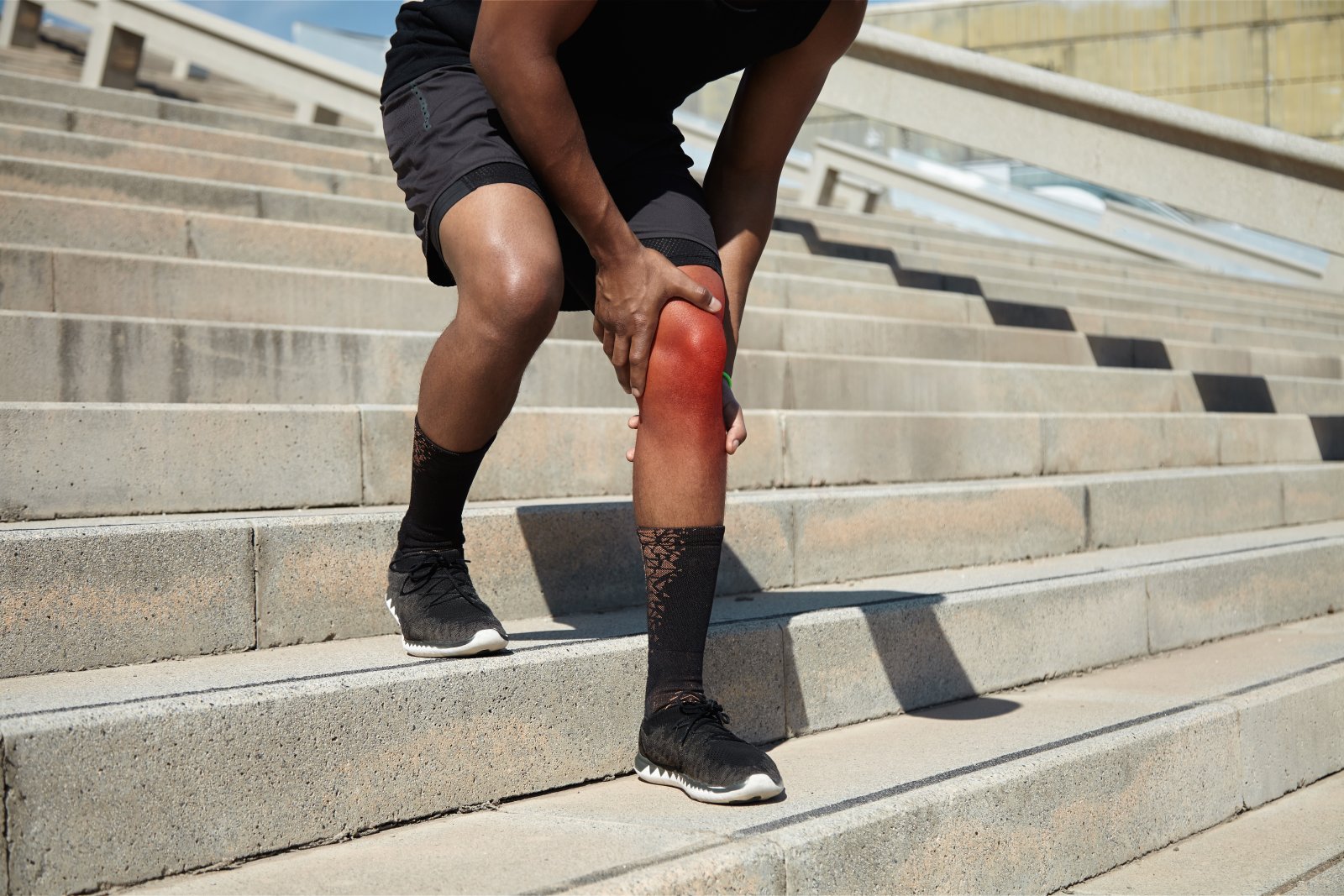
Sciatica, known as Gridhrasi in Ayurveda, causes pain that travels down the leg. Often, this pain starts in the lower back and moves through the hip and thigh. Many people feel tingling, numbness, or weakness in the leg. Ayurveda for Sciatica offers natural relief for radiating leg pain. This ancient system uses herbs, therapies, and lifestyle changes to help manage symptoms. If you are looking for a holistic approach, Ayurvedic treatment for sciatica may help you find comfort and improve your daily life.
What is Sciatica (Gridhrasi)?
Sciatica is a condition where pain spreads along the path of the sciatic nerve. This nerve runs from the lower back, through the hips, and down each leg. Usually, the pain affects only one side of the body. People may also feel burning, tingling, or numbness. Sometimes, it becomes hard to walk or sit for long periods. Because of this, daily activities can become difficult. In Ayurveda, this condition is called Gridhrasi, which means the walk of a vulture, due to the limping caused by pain.
Causes of Sciatica According to Ayurveda
According to Ayurveda, Gridhrasi happens when there is an imbalance in the body’s energies, called doshas. Mainly, the Vata dosha, which controls movement and nerve impulses, becomes disturbed. Sometimes, Kapha dosha, which governs stability and lubrication, also plays a role. Common causes include:
Because of these factors, the nerves get compressed or inflamed, leading to pain and discomfort.
Ayurvedic Diagnosis of Sciatica
Ayurveda uses a detailed approach to diagnose Gridhrasi. First, the practitioner asks about your symptoms and daily habits. Next, they check your pulse, tongue, and eyes. Pulse diagnosis, called Nadi Pariksha, helps find which dosha is out of balance. The doctor may also look for signs of toxin buildup. By understanding your unique body type (prakriti) and the nature of your pain, Ayurveda creates a personalized plan. This approach aims to treat the root cause, not just the symptoms.
Ayurvedic Treatments for Sciatica
Ayurvedic treatment for sciatica focuses on balancing the doshas, removing toxins, and easing pain. Several therapies and remedies are used:
Because each person is different, treatments are tailored to individual needs.
Lifestyle and Home Remedies
Simple lifestyle changes can help manage sciatica symptoms. For example, regular gentle exercise keeps the back strong. Yoga poses like Bhujangasana (Cobra pose) and Shalabhasana (Locust pose) may ease pain. However, always practice under guidance. At home, you can try:
Additionally, avoid lifting heavy objects and sudden twisting movements.
Prevention and Long-Term Management
To prevent sciatica from coming back, Ayurveda suggests a balanced lifestyle. Here are some tips:
Because prevention is better than cure, these habits support spinal health and reduce the risk of future pain.
When to Consult an Ayurvedic Specialist
While home remedies can help, some signs mean you should seek expert care. If you have severe pain, numbness, or weakness in your leg, consult a qualified Ayurvedic specialist. Also, if symptoms last more than a few weeks or get worse, professional guidance is important. Early treatment can prevent complications and help you recover faster.
Reliable Sources and References
For more information, you can visit trusted sources like the World Health Organization (WHO) and the Centers for Disease Control and Prevention (CDC). Peer-reviewed journals on Ayurveda and pain management also provide helpful data. Always rely on credible sources for your health decisions.
Experiencing sciatica pain? Consult Dr. Arun for personalised Ayurvedic guidance and a suitable approach for relief.