What is Cervical Spondylosis?
Cervical spondylosis is a common neck problem. It happens when the bones and joints in the neck wear down over time. Many people feel neck pain or stiffness because of this condition. In Ayurveda, experts look at cervical spondylosis as a disorder caused by an imbalance in the body’s energies. Because of this, Ayurvedic treatment for cervical spondylosis focuses on restoring balance and easing discomfort. While modern medicine uses scans and medicines, Ayurveda offers natural management of cervical spondylosis through herbs, massage, and lifestyle changes.
Causes of Cervical Spondylosis According to Ayurveda
Ayurveda believes that three energies, called doshas, control the body. These are Vata, Pitta, and Kapha. When Vata increases, it can dry out the joints and cause pain. Therefore, cervical spondylosis is often linked to high Vata. Several habits and factors can raise Vata and lead to neck problems:
Because these causes are common in daily life, many people may develop neck pain over time. Ayurveda remedies for neck pain aim to address these root causes.
Common Symptoms of Cervical Spondylosis
Not everyone with cervical spondylosis feels the same symptoms. However, some signs are seen often. For example, you may notice:
Sometimes, these symptoms get worse after sitting for a long time. But with the right care, many people find relief.
Ayurvedic Diagnosis Methods
Ayurveda uses a gentle approach to diagnose cervical spondylosis. First, the practitioner asks about your daily habits, diet, and symptoms. Next, they may check your pulse and look at your tongue. These steps help find which dosha is out of balance. Sometimes, the expert may gently feel your neck and back. Because Ayurveda looks at the whole person, they also ask about sleep and stress. This way, the treatment can be tailored to your needs.
Traditional Ayurvedic Management Approaches
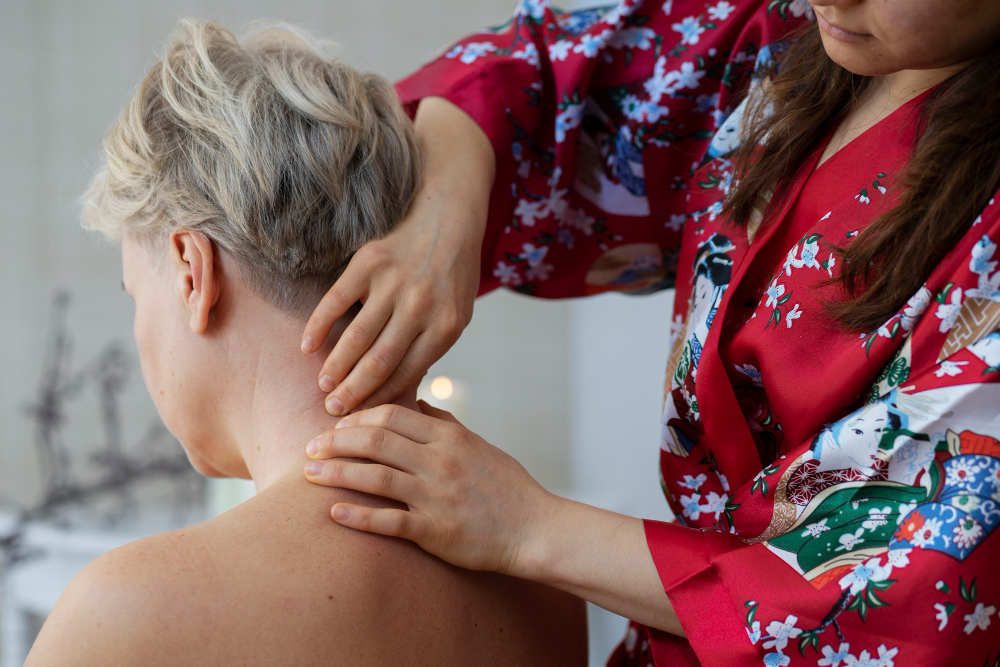
Ayurvedic treatment for cervical spondylosis uses natural methods. Many people find these approaches gentle and helpful. Some common Ayurvedic remedies include:
Because each person is different, an Ayurvedic doctor may suggest a mix of these treatments. Always consult a trained practitioner before starting new therapies.
Lifestyle and Dietary Guidance in Ayurveda
Ayurveda teaches that small changes in daily life can help manage neck pain. For instance, eating warm and moist foods can soothe Vata. In addition, gentle stretching and regular movement keep the neck flexible. Here are some tips:
Because stress can make symptoms worse, Ayurveda also suggests meditation or deep breathing. These habits support natural management of cervical spondylosis.
Prevention Tips from Ayurveda
Preventing cervical spondylosis is possible with mindful habits. For example, Ayurveda recommends:
Because these steps are simple, many people can add them to their daily routine. Over time, these habits may help protect your neck and keep you comfortable.