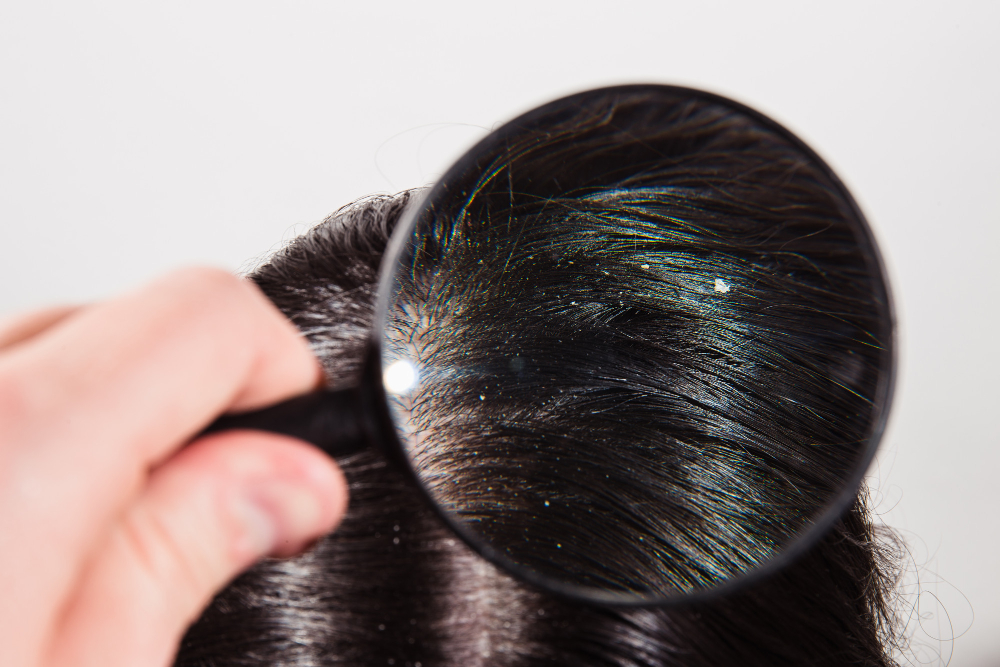
Dandruff is a common scalp problem that causes white flakes and itching. Many people also face dry scalp, redness, or even hair fall. These issues can make you feel uncomfortable. However, Ayurvedic dandruff treatment offers gentle and natural ways to care for your scalp. Ayurveda is an ancient Indian system of medicine. It uses herbs, oils, and lifestyle changes to keep the scalp healthy. In this blog, you will learn about Ayurvedic approaches to scalp care and how they can help with dandruff and other scalp problems.
Common Symptoms of Dandruff and Scalp Problems
First, it helps to know the signs of scalp issues. While dandruff is easy to spot, other problems may look similar. For example, you might notice:
Sometimes, these symptoms may get worse in winter or during stress. On the other hand, gentle care can help reduce them.
Main Causes of Dandruff from an Ayurvedic Perspective
Ayurveda explains dandruff as an imbalance in the body’s natural energies, called doshas. These are Vata (air), Pitta (fire), and Kapha (water). According to Ayurveda, dandruff often results from:
Additionally, poor diet, stress, and harsh hair products can make these imbalances worse. Therefore, Ayurvedic dandruff treatment focuses on restoring balance to the scalp.
Ayurvedic Diagnosis Methods for Scalp Issues
Ayurvedic doctors use special methods to find the root cause of scalp problems. For example, they may:
In many cases, they combine this with your medical history. As a result, the treatment plan is unique for each person. The Ministry of AYUSH in India supports these traditional methods for safe care.
Traditional Ayurvedic Treatments for Dandruff
Ayurvedic dandruff treatment uses natural steps to heal the scalp. For instance, common treatments include:
Because these methods use natural ingredients, they are gentle on the skin. Many people find these natural dandruff remedies Ayurveda helpful for long-term relief.
Herbal Remedies and Natural Oils in Ayurveda
Ayurveda uses many herbs and oils for scalp care. For example, some popular choices for herbal scalp treatment include:
Usually, these herbs and oils are mixed into pastes or used as scalp oils. Regular use can improve scalp health and reduce dandruff.
Lifestyle and Dietary Guidance for Healthy Scalp
Ayurvedic scalp care tips often include changes to your daily routine. For example, you can:
Because a healthy lifestyle supports scalp health, these steps are important for natural dandruff remedies Ayurveda.
Prevention Tips Using Ayurvedic Principles
Ayurveda teaches that prevention is better than cure. Therefore, you can follow these simple steps to avoid scalp problems:
By following these Ayurvedic scalp care tips, you can keep your scalp healthy and free from dandruff.
Conclusion
If you are struggling with dandruff or scalp issues, Arun is here to help. Book a consultation with Dr. Arun to get gentle, personalized Ayurvedic care for your scalp.