
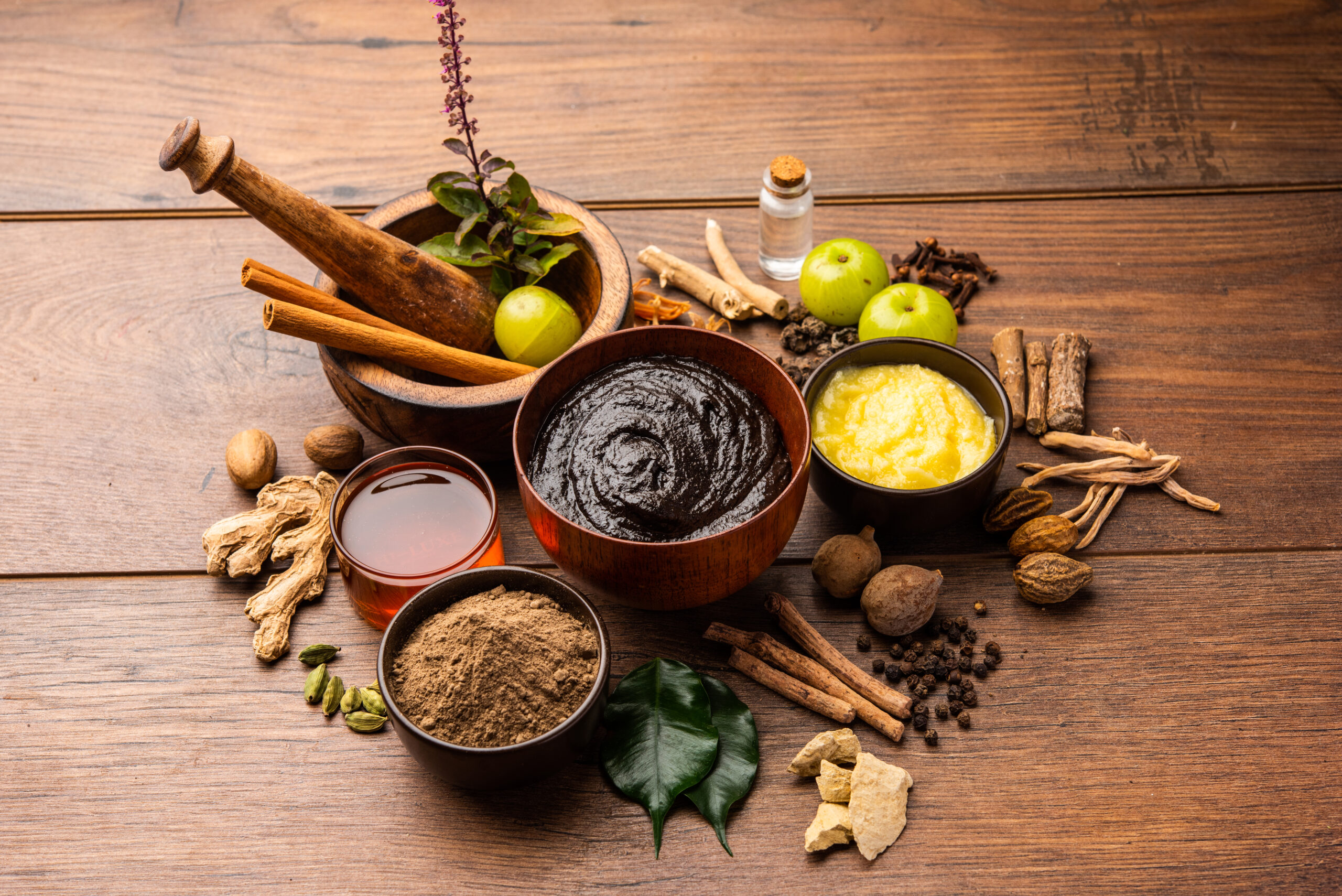
Blood pressure is the force of blood pushing against the walls of your arteries. When it stays high, it can harm your heart and other organs. Many people look for natural remedies for high blood pressure. Ayurvedic herbs for blood pressure management offer gentle, herbal solutions for hypertension. Ayurveda for heart health uses time-tested plants to support a healthy heart. In this blog, you will learn about these herbs, how to use them, and tips for safe and effective blood pressure care.
What is Blood Pressure?
Blood pressure measures how hard your blood pushes against your artery walls. It is shown as two numbers. The first is systolic pressure, which is the force when your heart beats. The second is diastolic pressure, which is the force when your heart rests. High blood pressure, or hypertension, can damage your heart, kidneys, and brain. Therefore, keeping it in a healthy range is very important. Regular checks help you know your numbers and take action if needed.
How Ayurveda Approaches Blood Pressure
Ayurveda is an ancient Indian system of medicine. It looks at the whole person, not just the symptoms. According to Ayurveda, blood pressure problems can come from an imbalance in the body’s energies, called doshas. These are Vata, Pitta, and Kapha. Ayurveda for heart health focuses on balancing these energies. It uses herbs, diet, and lifestyle changes to support your heart and blood vessels. In addition, Ayurveda encourages stress reduction and mindful living for better health.
Top Ayurvedic Herbs for Blood Pressure Management
Many Ayurvedic herbs help manage blood pressure naturally. Below are some of the most trusted options:
How to Use Ayurvedic Herbs Safely
Adding herbs to your routine can be helpful. Yet, safety comes first. Here are some tips for using Ayurvedic herbs for blood pressure management:
Because everyone’s body is different, what works for one person may not work for another. Always consult a healthcare provider before starting any herbal regimen.
Lifestyle Tips for Healthy Blood Pressure (Ayurvedic Perspective)
Besides herbs, Ayurveda suggests simple lifestyle changes to support healthy blood pressure. Here are some easy tips:
In addition, Ayurveda encourages spending time in nature and keeping a positive mindset. These habits can help your heart and mind stay healthy.
Prevention and When to Seek Medical Advice
Preventing high blood pressure is easier than treating it. Regular exercise, a healthy diet, and stress management are key. However, if you notice symptoms like headaches, chest pain, or dizziness, seek medical help right away. Also, if you have a family history of heart disease, get your blood pressure checked often. Remember, Ayurvedic herbs for blood pressure management can support your health, but they are not a replacement for medical care.
For the best results, consult an Ayurvedic specialist Arun for personalized guidance on managing blood pressure naturally.