
Overview of Chronic Skin Disorders
Chronic skin disorders can affect people of all ages. Many look for gentle, natural ways to manage these conditions. Ayurveda for skin disorders is gaining attention as a holistic approach. Common chronic skin issues include eczema, psoriasis, acne, and dermatitis. These problems often cause redness, itching, or swelling. Sometimes, they last for months or even years. For many, symptoms can come and go. While modern treatments help, some people want to try natural Ayurvedic remedies for skin.
Because these conditions can be stubborn, many seek long-term solutions. Ayurveda offers unique ways to support skin health.
Ayurvedic Principles for Skin Health
Ayurveda is an ancient Indian system of medicine. It focuses on balance in the body and mind. According to Ayurveda, skin health depends on three energies, called doshas: Vata, Pitta, and Kapha. Each person has a unique mix of these doshas. When they are out of balance, skin problems may appear. For example, too much Pitta can lead to redness or inflammation. On the other hand, excess Kapha may cause oily skin or clogged pores. Ayurveda for eczema and other skin disorders aims to restore balance.
Therefore, Ayurvedic care often starts with finding your dosha type. Then, remedies are chosen to bring the doshas back into harmony.
Common Ayurvedic Herbs and Remedies for Skin Disorders
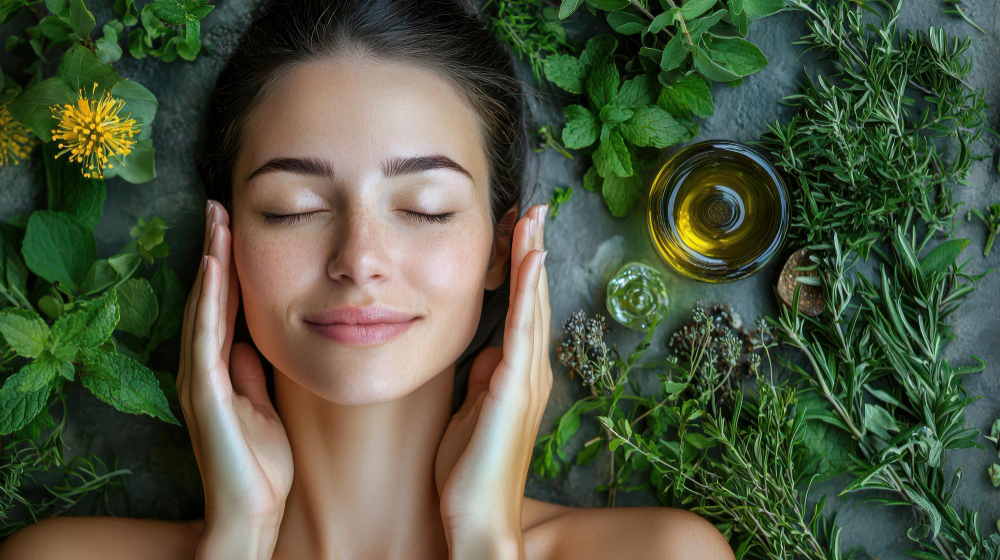
Many people use herbal treatments for chronic skin conditions. Ayurveda recommends several herbs and natural remedies for skin health. These are often used as creams, oils, or teas. For example, neem is a popular herb for soothing irritated skin. Turmeric is known for its anti-inflammatory effects. In addition, aloe vera can help calm redness and itching. These natural Ayurvedic remedies for skin are widely used in India and other countries.
Because each person is different, it is best to choose herbs based on your skin type and dosha. Always use high-quality, pure products for safety.
Ayurvedic Dietary and Lifestyle Recommendations
Diet and daily habits play a big role in Ayurveda for skin disorders. Eating the right foods can help balance your doshas. For instance, people with Pitta-type skin issues should avoid spicy or fried foods. Instead, they can eat cooling foods like cucumber and melon. In addition, drinking plenty of water supports healthy skin. Ayurveda also suggests simple lifestyle changes for better skin.
Moreover, following a regular routine helps the body heal. These Ayurvedic lifestyle tips for healthy skin can support long-term wellness.
Prevention and Long-Term Management with Ayurveda
Preventing flare-ups is important for those with chronic skin concerns. Ayurveda focuses on keeping the body in balance to avoid future problems. For example, regular detox routines, called Panchakarma, may help remove toxins. Gentle cleansing and moisturizing are also key. In addition, stress management is vital, as stress can trigger skin issues. Many people find that meditation or breathing exercises help reduce flare-ups.
Because Ayurveda treats the whole person, it aims for lasting results. This approach may help reduce the need for frequent medication.
Safety, Evidence, and When to Seek Medical Advice
While many people use Ayurveda for skin disorders, safety is important. Some herbs can cause allergies or interact with other medicines. Therefore, always talk to a healthcare provider before starting new treatments. The World Health Organization notes that more research is needed on herbal remedies. However, some studies show that herbs like turmeric and neem may help certain skin issues. If you have severe symptoms, such as spreading rash or infection, consult Dr. Arun now.